KE
KE

NEWS
6 Big Trends Transforming Kenya’s Insurance Industry in 2025
The insurance industry in Kenya is undergoing rapid transformation. From cutting-edge digital solutions to climate-focused products, the sector is innovating to stay relevant in a changing economic and environmental landscape. Yet, challenges such as low penetration, public mistrust, and high compliance costs remain.
As of 2025, Kenya’s insurance penetration rate stands at around 2.3% of GDP—below the global average and lagging behind some African peers. However, new technology, regulatory reforms, and evolving customer expectations are opening the door for growth. Here are the key trends shaping Kenya’s insurance sector this year.
1. Digital Transformation & the Rise of Insurtech

Technology is now the heartbeat of Kenya’s insurance evolution. Over 70% of local insurers offer mobile apps or web portals, allowing customers to buy policies, submit claims, and access services without visiting a branch.
Insurtech startups are pushing this transformation further:
- Lami Technologies is offering a digital platform that allows any business to distribute insurance products via APIs.
- Turaco partners with fintechs and mobile operators to embed microinsurance into everyday services.
- Pula uses AI and satellite data to design agricultural insurance products for farmers.
Emerging technologies like AI, blockchain, and big data analytics are also being adopted for underwriting, fraud detection, and risk assessment. This shift is reducing claim turnaround times and improving customer trust.
2. Microinsurance & Financial Inclusion
Microinsurance is becoming a game-changer in reaching Kenya’s uninsured population—especially low-income earners and those in the informal sector.
Premiums can be as low as KSh 40–500 per month, making coverage affordable for millions. Products range from health and personal accident insurance to livestock and crop cover.
A standout example is Pula, which combines satellite imaging, weather data, and AI to design affordable agricultural insurance. Their payouts have helped farmers increase productivity by 56% and investment by 16%. With new funding, Pula aims to reach 100 million farmers globally by 2029.
For Kenya, microinsurance not only reduces vulnerability to financial shocks but also supports national goals of financial inclusion and poverty reduction.
3. Bancassurance Growth

Bancassurance—selling insurance through banks—continues to gain traction in Kenya.
In 2019, bancassurance premiums stood at KES 19.5 billion. By 2023, that figure had grown to KES 35 billion, increasing its share of total industry premiums from 8.4% to 10%.
Why the growth?
- Banks offer a trusted distribution channel with extensive branch networks.
- Customers can conveniently purchase insurance alongside other financial services.
- Digital banking platforms make it easier to cross-sell insurance to existing account holders.
A recent example is NCBA Group’s acquisition of AIG Kenya Insurance in 2024, giving the bank more direct control over product design and distribution.
For insurers, bancassurance offers a cost-effective way to reach both urban and rural markets.
4. Regulatory Reform & Industry Consolidation
The Insurance Regulatory Authority (IRA) is reshaping the industry with stricter compliance requirements. Two major reforms are driving change:
- Risk-Based Supervision Phase II: Requires insurers to hold capital proportional to their risk exposure, encouraging better risk management.
- IFRS 17: A global accounting standard that improves transparency in insurance contract reporting.
While these reforms aim to strengthen the sector, they also raise operational costs—putting pressure on smaller insurers. The result is market consolidation, with mergers, acquisitions, and some companies exiting the market altogether.
For example, smaller underwriters unable to meet capital requirements are being acquired by larger players, leading to a more competitive but concentrated market.
5. Climate Risk & ESG Integration
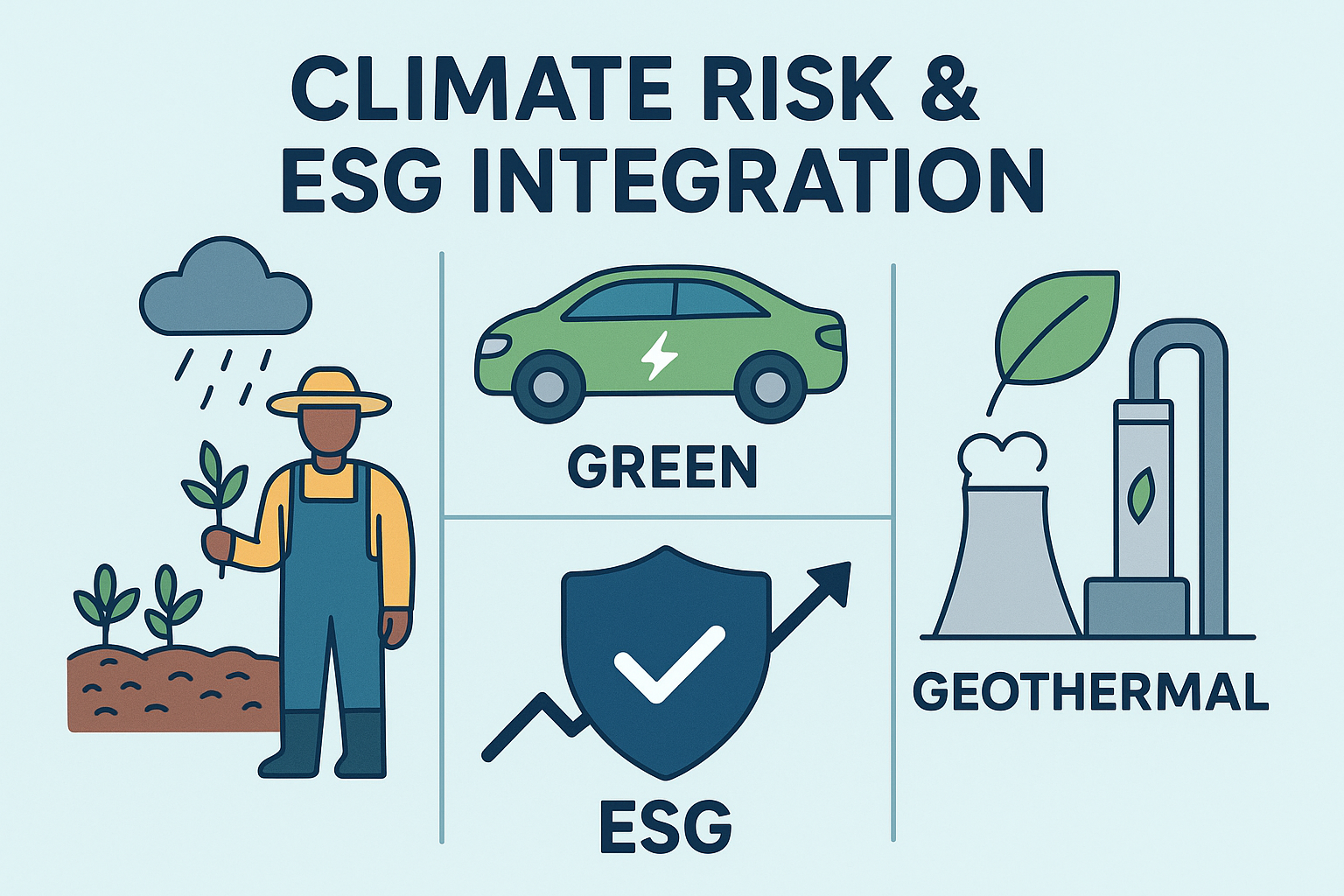
Kenya’s heavy reliance on agriculture and renewable energy makes it vulnerable to climate change. As a result, climate-linked insurance is gaining prominence.
Notable developments include:
- Index-based crop insurance: Pays out automatically when satellite or weather data shows that rainfall has fallen below a certain threshold.
- Green motor insurance: Offers lower premiums for electric or hybrid vehicles.
- Geothermal Risk Underwriting Facility: Launched in 2024 to cover the financial risks of geothermal energy projects.
Insurance companies are also embracing ESG (Environmental, Social, and Governance) principles—not just as a compliance requirement, but as a selling point. ESG integration helps insurers attract climate-conscious investors and customers.
According to forecasts, Kenya’s general insurance market is expected to grow at a 9.1% CAGR, from KES 238.8 billion in 2025 to KES 338.3 billion by 2029, with climate-focused products being a key growth driver.
6. Low Penetration & Youth Engagement Challenges
Despite innovation, penetration remains low—just over 2% of GDP.
One of the biggest challenges? Winning over young consumers.
Surveys show that many Kenyans under 30 avoid insurance for three main reasons:
- Affordability – Insurance is often seen as a luxury, especially with rising living costs.
- Perceived lack of value – Some believe the risk of needing insurance is too low to justify the cost.
- Trust issues – Slow claims processing and complex policy terms discourage sign-ups.
To address this, insurers are:
- Introducing bite-sized, pay-as-you-go policies via mobile money.
- Offering instant claim settlement for small amounts.
- Using social media influencers to educate and demystify insurance.
Outlook: The Future of Insurance in Kenya
The Kenyan insurance sector is at a crossroads. On one hand, regulatory reforms, rising operational costs, and persistent public mistrust pose significant challenges. On the other, digital innovation, microinsurance, and climate-focused products present massive opportunities.
Insurers that can:
- Harness technology to improve customer experience,
- Develop affordable, flexible products for underserved markets,
- Build trust through fast, transparent claims,
…will be the ones to thrive in the next five years.
With the right strategies, Kenya’s insurance penetration rate could see significant growth—turning a currently underinsured population into a more financially secure one.