KE
KE

NEWS
Comprehensive vs. Third-Party Car Insurance in Kenya: Which One Should You Choose?
Choosing the right auto insurance isn’t just about meeting legal requirements—it’s a vital financial decision that protects your peace of mind on the road. Understanding your insurance coverage is essential, as it determines what is protected under your policy and helps you compare comprehensive and third-party options effectively.
Why Choosing the Right Cover Matters
With multiple car insurance types in Kenya, it’s important to understand your options before committing. Some key factors to consider include the current market value of your vehicle, your driving history, and the level of financial protection you need. This guide compares comprehensive vs. third-party car insurance in Kenya, helping you make the right choice based on your needs, risk appetite, and budget.
What is Third-Party Insurance?
Third-party insurance is the minimum legal requirement for car owners in Kenya, as mandated by the Insurance Act. It covers your legal liabilities if you cause bodily injury, death, or property damage to other people (third parties).
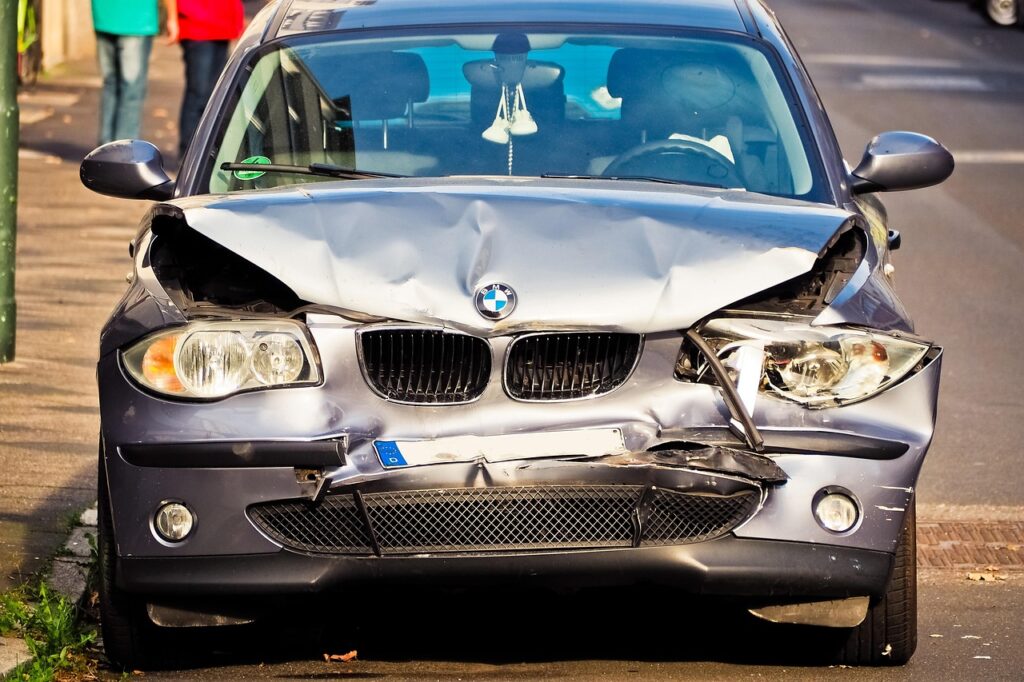
Important Note: While third-party insurance keeps you legally compliant on Kenyan roads, it provides zero coverage for your own vehicle. If your car is damaged in an accident, stolen, or catches fire, you must cover the repair or replacement costs entirely out of pocket.
Third-Party Insurance Benefits:
-
Affordable and Budget-Friendly: Features fixed, low annual rates.
-
Legally Compliant: Avoid traffic police penalties and satisfy basic statutory rules.
-
Liability Protection: Covers legal and financial damages owed to other road users or property owners.
The Middle Ground: Third-Party, Fire & Theft (TPFT)
Before jumping straight to comprehensive, it’s worth noting a popular mid-tier option available in Kenya: Third-Party, Fire & Theft (TPFT). This policy covers standard third-party liabilities but adds an extra layer of financial security by protecting your vehicle if it is stolen or damaged by fire. It is an excellent, cost-effective alternative for motorists who want more than basic coverage but have older cars that may not qualify for full comprehensive coverage.
What is Comprehensive Insurance?
Comprehensive car insurance offers the widest and most complete coverage available. It is designed to provide full protection for both your own vehicle and third parties.
A comprehensive policy protects your vehicle against accidental damage, collision, rollover, theft, fire, and natural disasters (like seasonal flooding in urban areas). Additionally, it gives you access to crucial add-ons—such as emergency roadside assistance or an excess protector—which most Kenyan insurers offer to tailor your policy.
The premium cost for comprehensive insurance is typically calculated as a percentage of your car’s value, meaning higher-value vehicles will attract higher premiums.
Key Differences At a Glance
| Feature | Third-Party Only (TPO) | Third-Party, Fire & Theft (TPFT) | Comprehensive Insurance |
| Covers Third-Party Injury & Damage | Yes | Yes | Yes |
| Covers Damage to Your Own Car | No | No | Yes |
| Theft & Fire Protection | No | Yes | Yes |
| Natural Disaster / Flood Cover | No | No | Yes |
| Premium Cost Structure |
Lowest (Fixed Annual Rate) |
Moderate (Mid-Tier Pricing) |
Higher (% of Vehicle Value) |
| Add-on / Extension Availability | Very Limited | Limited | Widely Available |
Pros and Cons of Each Option
Third-Party Insurance
-
Pros: Lower premiums; instant legal compliance; ideal for older or low-market-value vehicles.
-
Cons: Absolutely no protection for your own car; high out-of-pocket exposure following an accident.
Comprehensive Insurance
-
Pros: Extensive, multi-risk financial safety net; peace of mind for newer, financed, or high-value cars; access to premium extras.
-
Cons: Higher initial premium costs; may not be financially practical for highly depreciated, older vehicles.
The Valuation Process: What to Expect in Kenya
If you opt for comprehensive insurance (or an upgrade), your premium is determined by your car’s actual value. This requires a professional vehicle valuation to ensure you are neither over-insuring nor under-insuring your asset.
When to Choose One Over the Other
Choose Third-Party Insurance if:
-
Your vehicle is older or has a very low market value.
-
You are looking for a basic, budget-friendly option to stay compliant with local traffic laws.
-
You rarely drive the vehicle or use it strictly in low-risk environments.
Choose Comprehensive Insurance if:
-
You own a new, premium, or bank-financed vehicle where full replacement costs would be a massive financial strain.
-
You want maximum protection against everyday urban road hazards, malicious damage, and theft.
-
You regularly drive in busy metropolitan areas, high-risk traffic zones, or flood-prone regions.
-
You want the security of key local policy extensions like Excess Protectors, Loss of Use (Courtesy Car), or Political Violence and Terrorism (PVT) cover.
Frequently Asked Questions (FAQs)
Can I upgrade from third-party to comprehensive later?
Yes. Most insurers in Kenya allow you to upgrade your motor insurance policy mid-term or during your annual renewal. You will need to submit your vehicle for an official valuation and pay the prorated premium difference.
Is comprehensive insurance worth it for older cars?
It depends on the car’s remaining value. If the annual premium cost approaches or exceeds what the car is actually worth on the open market, transitioning to a Third-Party or Third-Party Fire & Theft policy is usually more practical.
Does third-party insurance cover theft in Kenya?
No. Standard third-party policies do not cover theft. To protect against vehicle loss, you must purchase either a Third-Party Fire & Theft policy or a full Comprehensive insurance cover.
What are common insurance add-ons available in Kenya?
Popular add-ons include an Excess Protector (so you don’t pay out-of-pocket when filing a claim), Political Violence & Terrorism (PVT) cover, Passenger Medical Expenses, and Roadside Assistance/Towing benefits.
Final Thoughts
When evaluating comprehensive vs. third-party car insurance in Kenya, the best choice aligns with your vehicle’s market value, your daily mileage, and your personal risk tolerance. While third-party coverage keeps your budget intact, a comprehensive cover insulates your finances against the unpredictable realities of modern roads. Compare quotes carefully, assess your coverage needs, and pick the safety net that fits your life best.