KE
KE

NEWS
Insurance in Kenyan Schools: Why 85% Remain Exposed to Risk
Introduction: An Unseen Crisis in Kenya’s Schools
In July 2025, the Association of Kenya Insurers (AKI) shared an important circular — No. 93/AKI/07/2025/TMG. This circular highlighted a big issue: the very low insurance uptake among primary and secondary schools in Kenya.
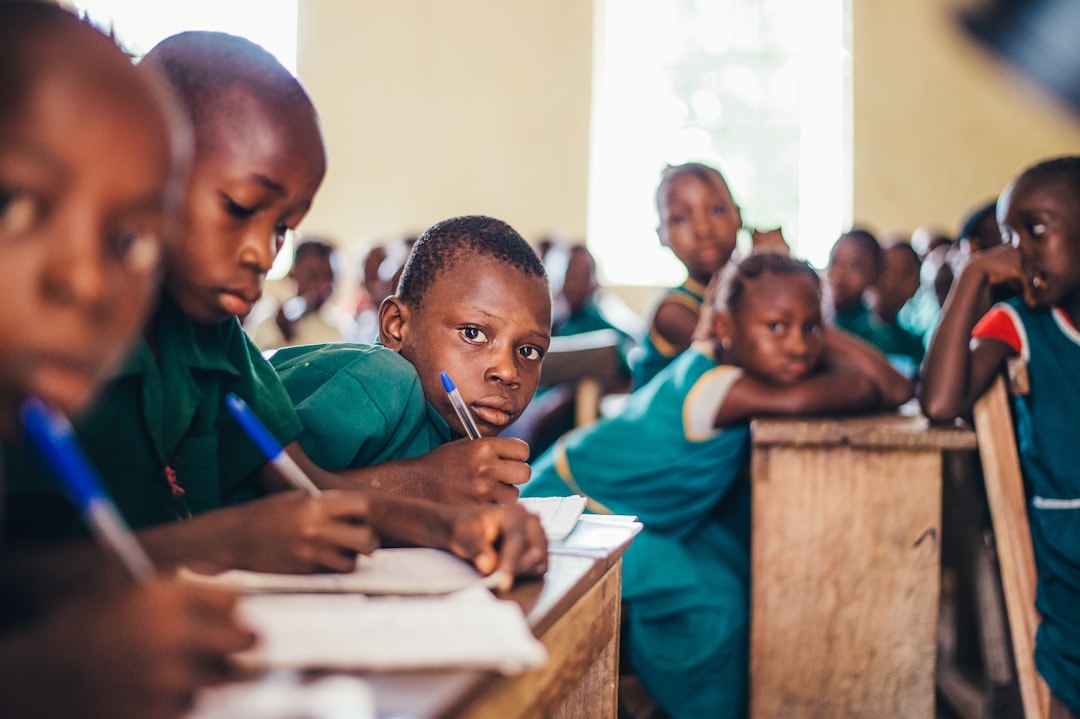
Despite frequent school fires, property damage, and tragic incidents affecting children and students, only 14.6% of Kenya’s 46,322 schools are covered by non-motor insurance policies. This data points to a silent crisis: a massive protection gap in our education sector.
The Current State of School Insurance in Kenya
The AKI’s 2025 report states that only 6,784 schools have some type of non-motor insurance. This includes primary, secondary, and unclassified schools. This leaves nearly 40,000 schools financially exposed to everyday risks.
Common Insurance Covers Offered:
- Fire and Special Perils (offered by all 32 surveyed insurers)
- Group Personal Accident/Student Personal Accident
- WIBA (Work Injury Benefits Act)
- Burglary/Theft
- Public Liability
- All Risks
In the case of a fire, accidental injury, or theft, these covers provide financial protection for the school and its students.
Most insurers (66%) offer these as standalone products, while a smaller group provides bundled policies tailored for educational institutions.
Calculating Insurance Needs: A Practical Guide for Schools
For Kenyan schools, understanding how to calculate insurance needs is a vital step toward safeguarding their future. As fire, burglary, and other risks grow, schools need the right insurance. This protects their assets, students, and staff. The Insurance Regulatory Authority (IRA) makes sure insurance providers offer reliable coverage. However, each school must decide the amount of coverage that fits their specific risks and needs.
The first step in this process is a thorough assessment of the school’s assets. This includes valuing buildings, buses, equipment, and other property that could be affected by fire, theft, or accidents. Schools should consider the financial impact of events such as a student or staff member becoming permanently disabled. They should also think about the effects of a death in the school community. They should also consider the loss of school fees or other funds if a major incident happens. When calculating the sum assured, consider the replacement cost of physical assets. Also, include funds for partial maturities, ongoing expenses, and the child’s education.
To meet these needs, schools can get different types of insurance. This includes group personal accident insurance, work injury benefits act (WIBA) coverage, fidelity guarantee, and public liability insurance. These products are made to cover different risks. They include accidents with students and teachers, as well as claims for property damage or theft.
The Fire Epidemic: Why Urgency is Needed
In 2024 alone, the Ministry of Education recorded 107 school fire incidents. The tragedy at Hillside Endarasha Academy, where 21 students lost their lives, marked a national turning point. In its aftermath, 348 unsafe boarding schools were ordered to shut down boarding facilities indefinitely.
These statistics aren’t just numbers—they reflect lives disrupted, dreams destroyed, and communities burdened with rebuilding.
Yet despite the clear risk, uptake remains worryingly low.

What’s Stopping Schools from Getting Insured?
The AKI report outlines six major obstacles behind poor insurance adoption:
1. Low Awareness & Insurance Illiteracy
Many school administrators don’t understand insurance, how it works, or its importance. There’s a false belief that the government or community will always step in after a crisis.
Schools need to clearly share the importance and benefits of insurance with parents, guardians, and the school community. This will help raise awareness and understanding.
2. Tight Budgets & Funding Constraints
Schools have limited sources of income. They often use this money for important needs like salaries, food, and buildings. This leaves no money to pay for insurance premiums. Delayed capitation funds also mean insurance is the first to be dropped. Insurance claims are only paid when premiums are up to date. Paying for insurance is an ongoing responsibility for schools and sometimes for parents or guardians.
3. Poor Risk Management
Many schools do not have basic safety rules. They may lack fire extinguishers, have missing asset lists, or have poor record-keeping. This makes it hard to handle claims. Bad record-keeping can lead to losing money from theft or mismanagement. This raises financial risks for the school.
4. Mistrust in the Insurance Industry
Delays in claims, complicated processes, and poor communication have led to widespread skepticism.
5. Unethical Market Practices
Rate undercutting and inappropriate inducements (e.g., cash gifts, trips) by agents erode credibility and create regulatory concerns.
6. Lack of Regulatory Mandates
There is no law requiring schools to insure against fire or accidents. The 2008 Safety Standards Manual is outdated and lacks enforcement.
What Can Be Done? AKI’s Recommendations
AKI’s report doesn’t just highlight problems—it offers a strategic roadmap to drive change. Realizing these recommendations is crucial for achieving better protection for schools. The success of these initiatives depends on collaboration among all stakeholders, including community members, to ensure effective implementation and lasting impact.
1. Launch Targeted Awareness Campaigns
Hold education sessions for school leaders, management boards, and bursars. Explain how insurance helps manage everyday risks.
Additionally, engaging community members, including parents and local organizations, can help support and spread awareness about the importance of school insurance.
2. Integrate Insurance into Education Policy
The Ministry of Education should add insurance to school budgets. They should require minimum coverage for both public and private schools.
3. Create Bundled, Affordable Products
Develop tailored, easy-to-understand school insurance packages—e.g., combining fire, student accident, and liability into one policy, payable per term.
Additionally, consider offering some educational forums or introductory insurance consultations free to schools to encourage uptake.
4. Promote Safety Audits and Pre-Cover Risk Assessments
Insurers should help schools meet safety standards—offering risk assessments and property valuations to reduce exposure and streamline claims.
5. Digitize Access for Remote Schools
Develop mobile onboarding tools and digital policy platforms, particularly for underserved and marginalized regions.
6. Strengthen Public–Private Partnerships
AKI encourages teamwork among insurers, the Ministry of Education, teacher unions, and school boards. They want to make insurance a common practice in school management.
To help private schools, the Kenya Private Schools Insurance Agency was created. It is a part of the Kenya Private Schools Association. This agency provides insurance solutions for its members.
Why This Matters
When schools go uninsured:
- Parents, guardians, and communities are left to fund repairs or rebuild after disasters.
- Learning is disrupted for weeks or months, negatively affecting school performance.
- Each child, along with students and teachers, is exposed to avoidable risks.
Insurance isn’t a cost—it’s a safety net. And with products already in place, Kenya’s schools only need the right push, policy support, and education to close the gap.
Final Word
The AKI Circular No. 93/AKI/07/2025/TMG calls for urgent, collective action to mainstream insurance within Kenya’s education sector.
Kenya can protect its schools and future generations by making insurance easier to understand. By working with education policies and building trust, it can reduce predictable and preventable risks. predictable and preventable risks.