KE
KE

NEWS
A Deep Dive into the Kenyan Maritime Landscape
Wondering about the key trends and elements of the maritime industry? In this article, we’ll cover the 2024 industry overview, sustainability in maritime transport, essential regulations, port infrastructure upgrades, and digital solutions. Discover how the maritime sector is advancing despite modern challenges.
Key Takeaways
-
The maritime industry faced a notable decline in transaction activity due to global trade uncertainty and rising costs, with projections indicating a potential increase in consumer prices linked to higher freight rates by 2025.
-
Sustainable maritime transport is gaining importance, with initiatives focusing on emission reductions through new technologies and practices, such as green ports and collaboration among stakeholders to meet global climate goals.
-
Navigating maritime regulations and enhancing port infrastructure through automation and eco-friendly technologies are critical for improving operational efficiency and ensuring environmental protection in the shipping sector.
Maritime Industry Overview
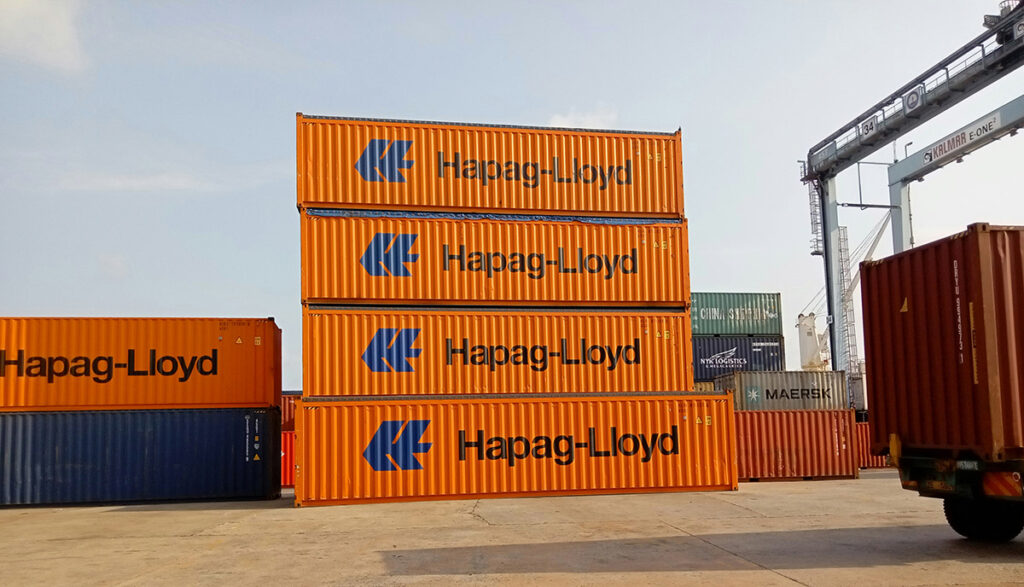
In 2023, the maritime industry witnessed a significant decrease in transaction activity compared to the previous year, primarily due to uncertainty in global trade and rising living costs. Maritime traffic also saw a decline, with many shipping lines experiencing near pre-pandemic rates and profits. This decline is attributed to various factors, including geopolitical conflicts and climate risks affecting key maritime routes like the Suez and Panama Canals.
The impact of rising shipping costs cannot be overstated. These increased costs erode trade competitiveness, threaten economic stability, and contribute to inflation. Projections indicate a 0.6% increase in global consumer prices by 2025 due to higher freight rates. Enhancing the monitoring of global freight markets is recommended to address these ongoing challenges and stabilize the industry.
Despite these challenges, global maritime trade grew by about 2.4% in 2023, with container trade increasing by a modest 0.3%. Major shipbuilding nations like China, Japan, and the Republic of Korea continued to dominate the industry, with China delivering over half of the world’s shipbuilding capacity for the first time. While 2024 data is still scant, container trade is estimated to have rebounded by 3.5% in 2024. These developments highlight the resilience and adaptability of the maritime sector, even in the face of significant obstacles.
Importance of Sustainable Maritime Transport
The maritime industry is under increasing scrutiny for its environmental footprint, leading to a push for more sustainable practices. Emission control areas established by the International Maritime Organization aim to mitigate the sector’s environmental impact. Green ports, which incorporate sustainable practices, are becoming more common as they help reduce emissions and enhance the environmental performance of port activities.
Efforts to reduce CO2 emissions in shipping are ongoing, with a focus on new ship technologies and alternative fuels. The adoption of strategies such as slow steaming and just-in-time arrival can significantly reduce the carbon footprint of shipping operations.
Collaboration among various stakeholders, including international bodies, is essential for implementing these sustainable practices and aligning them with global climate agreements like the Paris Agreement.
Key Regulations in Maritime Affairs
Navigating the complex web of maritime regulations is crucial for ensuring safety, environmental protection, and efficient trade. Key international conventions like SOLAS (International Convention for the Safety of Life at Sea) and MARPOL (International Convention for the Prevention of Pollution from Ships) set the foundation for maritime safety and pollution control. The STCW convention, which sets standards for the training and certification of seafarers, and the FAL convention, which streamlines maritime shipping processes, are also pivotal.
The Kenya Maritime Authority (KMA), established in 2004, plays a critical role in regulating and overseeing maritime affairs in Kenya. KMA collaborates with the Kenya Coast Guard Service and the Casualty Investigations Department to enforce safety regulations and investigate maritime incidents. The Merchant Shipping Act, Cap. 389 Laws of Kenya, enacted in 2009, provides a comprehensive legal framework for these activities.
In addition to enforcement, KMA is responsible for maintaining a national oil spill contingency plan and coordinating maritime search and rescue operations. These efforts are essential for protecting the marine environment and ensuring the safety of maritime operations. Adhering to these regulations allows maritime stakeholders to mitigate risks and enhance overall efficiency and safety of their operations.
Enhancing Port Infrastructure
Efficient terminal operations are the lifeblood of global trade, ensuring smooth ocean freight movements and minimizing delays. The adoption of automated systems in ports, such as robotic vehicles and automated cranes, has significantly boosted productivity and minimized human error. Modern container handling machinery, including super post-Panamax cranes, further enhances the speed and safety of cargo operations.
Investments in eco-friendly technologies, such as green hydrogen production and bunkering centers, are also crucial for reducing fuel consumption and lowering emissions during shipping operations. Public-private partnerships can play a pivotal role in enhancing port infrastructure by pooling resources and expertise.
Leveraging these innovations allows ports to improve operational efficiency and contribute to more sustainable maritime transport.
Investing Primarily in Marine Environment Protection
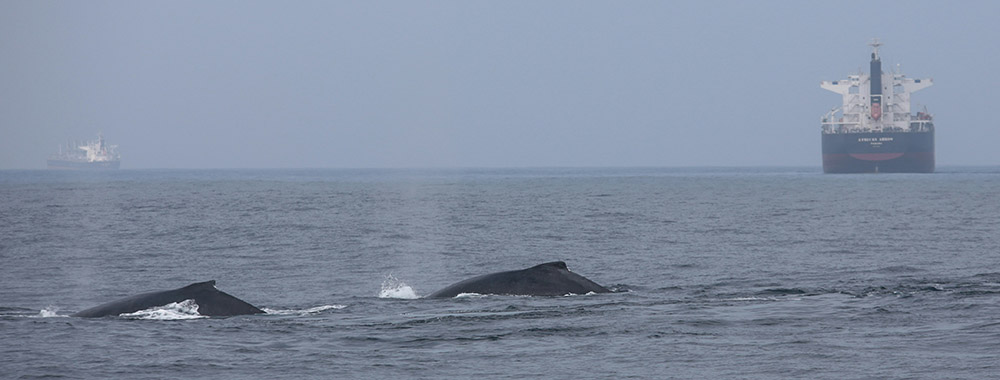
Protecting the marine environment is a collective responsibility that requires concerted efforts from all stakeholders. A clean ocean is economically linked to the well-being of communities reliant on marine resources. The Kenya Maritime Authority plays a key role in minimizing pollution threats and risks from ships and offshore installations.
Marine Protected Areas (MPAs) are designated zones that help safeguard marine resources and biodiversity. Individuals can also contribute to marine environment protection by reducing plastic use, supporting sustainable seafood, and participating in coastal cleanups.
By investing primarily in these protective measures, we can ensure the longevity and health of our marine ecosystems for future generations.
Innovations in Digital Maritime Solutions
Digital technologies are revolutionizing maritime operations, making them more efficient and sustainable. Real-time monitoring enabled by digitalization and automation is critical for enhancing logistics efficiency and minimizing greenhouse gas emissions. The integration of AI and IoT in port operations allows for improved tracking, predictive maintenance, and better decision-making.
Innovations such as autonomous vessels equipped with AI and sensors are enhancing navigation and operational flexibility. Additionally, digital twin technology enables ship operators to simulate scenarios for better operational planning.
By embracing these digital solutions and online platforms, the maritime sector can significantly improve its operational efficiency and sustainability.
Comprehensive Insurance for Maritime Operations
Marine insurance is essential for protecting against losses to cargo, vessels, ports and terminals involved in maritime transport. Mayfair Cargo Insurance (which is by far the most common) offers a range of marine insurance solutions. It entails 3 main types of coverage under Institute Cargo Clauses: A, B, and C, each offering different levels of coverage. Institute Cargo Clauses (A) provide the broadest coverage, often referred to as ‘All Risks’ insurance. This type of coverage protects against all risks of loss or damage to the insured property unless specifically excluded under general insurance exclusions.
Institute Cargo Clauses (B) offer medium-level protection, covering more risks than Clause (C) but fewer than Clause (A). This includes additional perils such as loss or damage due to earthquake, volcanic eruption, or lightning. Institute Cargo Clauses (C) provide the least coverage, protecting against specific incidents like fire or sinking. Understanding these different types of coverage is crucial for choosing the right insurance for your maritime operations.
Claiming marine insurance requires the policyholder to promptly notify the insurer about the loss or damage. The claims process may require documentation such as the original insurance policy, bill of lading, and a survey report. Ensuring comprehensive insurance coverage allows maritime stakeholders to protect their assets and mitigate risks associated with maritime operations.
Supporting Inland Waters Development
Inland water transport offers a viable solution to alleviate traffic congestion by providing alternative routes and reducing reliance on personal vehicles. Feasibility studies in Mombasa have emphasized the technical and financial viability of passenger water transport, particularly around Mombasa Island.
The Full Feasibility Study for Inland Passenger Water Transport aims to analyze existing transport routes and recommend effective engineering solutions. Introducing fast, reliable, and comfortable water bus services is key to improving public transport and regional connectivity.
Supporting the development of inland waters enhances local transport infrastructure and contributes to sustainable urban development.
International Cooperation in Maritime Trade
International cooperation is vital for stabilizing trade routes and ensuring the free flow of goods at chokepoints. Strengthened global coordination is emphasized to keep trade routes open and mitigate the risks associated with geopolitical tensions and climate change.
Successful digital transformation in maritime requires collaboration between the public and private sectors. Better verification and information sharing are necessary to combat fraudulent ship registration and ensure maritime safety.
Fostering international cooperation enhances the resilience and efficiency of the maritime industry in global trade.
Upcoming Events in the Maritime Sector
Staying informed about upcoming events in the maritime sector is crucial for professionals looking to enhance their knowledge and network. A significant maritime conference will occur in April 23–24, 2025, in Sweden, called the Net Zero Maritime 2025 Conference focusing on addressing decarbonization targets aligned with the International Maritime Organization’s regulations. London International Shipping Week 2025 is also scheduled to happen in Septermber 2025. Celebrating its 12th anniversary, this event is one of the most significant global shipping and maritime gatherings, attracting thousands of international industry decision-makers and featuring numerous official events throughout the week.
Events like these provide valuable insights and updates on the latest industry trends and technologies. Professionals are encouraged to attend these events to foster connections and gain competitive advantages in their operations. Participating in these conferences allows stakeholders to stay ahead of industry developments and contribute to the growth and sustainability of the maritime sector.
Summary
In summary, the maritime industry faces numerous challenges and opportunities. Sustainable practices, key regulations, enhanced port infrastructure, and digital innovations are crucial for the sector’s growth and efficiency. Comprehensive insurance products play a vital role in mitigating risks and protecting assets in maritime operations.
As we look to the future, international cooperation and the development of inland waters will be essential for ensuring a resilient and sustainable maritime industry. By staying informed and adopting best practices, stakeholders can navigate the complexities of maritime operations and contribute to a thriving global trade ecosystem.
Frequently Asked Questions
What are the key challenges facing the maritime industry today?
The key challenges facing the maritime industry today include rising shipping costs, geopolitical conflicts, climate risks, and issues with fraudulent ship registrations. These factors necessitate strategic adaptations to ensure sustainability and efficiency.
Why is sustainable maritime transport important?
Sustainable maritime transport is crucial as it minimizes the environmental impact of shipping and supports global climate initiatives, fostering a more efficient and eco-friendly maritime industry.
What role does the Kenya Maritime Authority play in maritime operations?
The Kenya Maritime Authority is essential in ensuring maritime safety by enforcing regulations, managing the ship register, overseeing search and rescue operations, and maintaining an oil spill contingency plan. Their role is vital for protecting maritime interests and enhancing safety in Kenyan waters.
What are the benefits of digital innovations in maritime operations?
Digital innovations in maritime operations significantly enhance logistics efficiency, improve tracking and predictive maintenance, and promote sustainability. Implementing these technologies leads to more streamlined and environmentally responsible operations.
How can comprehensive insurance products benefit maritime stakeholders?
Comprehensive insurance products significantly benefit maritime stakeholders by safeguarding against losses related to cargo, vessels, and terminals, thereby enhancing financial stability and risk management in maritime operations. They also ensure compliance with regulatory requirements in the country and adherence to the laws around these.